ECT Education

What is ECT?
Electroconvulsive therapy (ECT) is a medical procedure used to treat severe psychiatric and certain neurological conditions. It is highly effective, with response rates of up to 60–90% in patients with severe depression. Although ECT was first introduced in 1938, modern practice has evolved significantly and bears little resemblance to its early forms. Advances in anesthesia and technology have made ECT a safe and well-controlled procedure, with a very low risk of serious complications. The mortality rate is estimated to be less than 1 in 70,000 treatments—significantly lower than many common medical procedures, including childbirth.
ECT is widely endorsed as an effective treatment for specific psychiatric disorders by organizations such as the National Institute of Mental Health, American Psychiatric Association, American Medical Association, and the Office of the Surgeon General.
Before the First ECT
Prior to beginning treatment, patients undergo a comprehensive evaluation with an ECT psychiatrist. During this consultation, the procedure, including its risks, potential benefits, side effects, and alternative treatment options—is thoroughly explained. If the patient is determined to be an appropriate candidate, a medical work-up is completed. This typically includes a physical examination, laboratory tests, an electrocardiogram (ECG) to assess heart function, and any additional testing needed to ensure the patient is medically optimized for treatment.
Patients should provide their physician with a complete and accurate list of all medications they are taking, as certain medications may reduce the effectiveness of ECT or increase the risk of side effects. The physician will give specific instructions on which medications to continue and which to temporarily stop during the course of treatment.
Before each treatment session, patients are generally instructed not to eat or drink after midnight. Any necessary medications during this period should be taken with a small sip of water, as directed by their physician.
Understanding ECT: Patient & Caregiver Guide
A comprehensive guide to modern ECT treatment designed for patients, caregivers, and healthcare professionals, covering the treatment process, benefits, safety, side effects, and ongoing care.
The ECT Procedure
Check-in:
Patients should arrive for the procedure wearing comfortable clothing, although some facilities may require changing into a hospital gown. Upon arrival, a brief physical assessment is typically performed, including measurement of temperature, heart rate, and blood pressure. Patients are also usually asked to empty their bladder and remove any jewelry, eyeglasses, or removable dentures prior to the procedure.
Treatment:
The patient is then brought into the ECT treatment room and asked to lie down on a stretcher. An intravenous line (IV) is started, usually in the arm. The patient is put to sleep using general anesthesia. Common anesthetic agents include methohexital, propofol, and etomidate. Some facilities may also use sodium thiopental and ketamine. Once the patient is asleep, they are given a muscle relaxant to relax the body’s muscles in preparation for the treatment. The most common muscle relaxant used is succinylcholine. Other medications may be given to reduce oral secretions or help control heart rate and blood pressure.
Some facilities may inflate a blood pressure cuff around an ankle to prevent the muscle relaxant from reaching the foot. This allows the doctor to observe twitching in the foot during the seizure, since there are often no other visible physical signs. The patient is not intubated, meaning no tube is placed in the airway, as this is typically only done for longer procedures. Instead, a team member, usually an anesthesiologist, will assist breathing during the procedure using an oxygen mask.
Right before the treatment, a bite block is placed in the mouth to protect the teeth and tongue. The ECT device is connected to two small electrodes, either metal discs or adhesive pads, which are placed on the scalp. A small electrical current is then delivered through these electrodes, causing a short, controlled seizure that usually lasts 20 to 60 seconds. If the seizure lasts longer than expected, the physician may choose to stop it using medication. The entire treatment, from the time the patient is asleep to the time they wake up, usually takes about 5 to 10 minutes.
Recovery:
After the treatment is completed, the patient is taken to a recovery area to rest. A licensed nurse remains with the patient throughout the recovery process. Once the patient is awake, alert, and stable, they may leave the recovery area. Recovery time varies, with some patients ready to leave in as little as 10 minutes, while others may require a longer period of observation.
The series:
A treatment “series” may begin in the hospital or as an outpatient. ECT treatments are typically given 2 or 3 times a week. A typical series generally consists of 6 to 12 treatments; a longer series can be up to 20 or more treatments, depending on the patient’s specific illness and response to treatment. There is no rationale to prescribe a fixed number of treatments. As long as the patient is improving, treatments should continue until the improvement is maximal.
Facilities vary on the need for supervision and restriction of activities during an ECT series. Some facilities may require that the patient take off from school/work. Many facilities require that the patient be driven to and from the treatment and be monitored closely by a caregiver after the treatment (if the patient is not in the hospital). Patients should not drive after the treatment. Continued restrictions may be recommended for up to two weeks after the last treatment in a series.
Continuation/Maintenance ECT:
"Continuation ECT" refers to ECT treatments that are given for up to 6 months after the initial ECT series. The goal of continuation ECT is to prevent relapse (i.e. becoming depressed again), which can happen, even after a successful ECT series. For some patients with multiple and/or severe depressive episodes, longer term use of ECT beyond 6 months may be recommended. This is known as “maintenance ECT.”
A patient is a candidate for continuation/maintenance ECT if he/she has:
- A history of responding to ECT.
- A history of relapse despite attempts to optimize medication treatment.
- A strong preference to continue ECT over other treatment options.
For continuation/maintenance ECT, the patient must continue to provide informed consent and be able to comply with ECT rules and recommendations. The schedule of continuation/maintenance ECT can vary from one treatment a week to one treatment every 3 months, depending on the patient’s severity of illness and risk for relapse. Continuation ECT usually starts with weekly treatments, since risk of relapse is greatest early on. The treatment interval may be gradually lengthened if the patient remains well. If a patient relapses during continuation/maintenance ECT, another ECT series may be advised. The goal of any ECT service is to provide the fewest treatments necessary to keep the patient well.
Videos of ECT Procedures
Dartmouth Health
*From an accredited U.S. hospital
Published on December 31, 2014
Gold Coast Health
*From a validated provider of healthcare services in Australia
Published on April 19, 2018
Michigan Medicine
*From an accredited U.S. hospital
Published on February 24, 2022
An Overview of Electroconvulsive Therapy
Atrium Health Wake Forest Baptist
Published in 2017
Patients' Stories
Gold Coast Health
*From a validated provider of healthcare services in Australia
Published on April 17, 2018

Northwell Health
*From an accredited U.S. hospital
Published on September 16, 2022
Podcasts
E246 - ECT Unveiled:
Modern Perspectives in Psychiatric Treatment with Dr. Descartes Li
Explore an expert discussion with Dr. Descartes Li on how ECT works, the evidence behind its effectiveness, and its role in treating severe depression and other complex psychiatric conditions.

Podcast: The Healing Power of ECT (Part 1 and 2)
Join Dr. Sohag Sanghani as he explores the facts behind ECT, addresses common misconceptions, and explains why it remains one of the most effective treatments for severe depression.
Articles
This article, “You’re My Wife. You’re My Life.” by Stefanie Gunning, is about a woman reflecting on her marriage and her husband’s illness, exploring how love identity and partnership evolve during a deeply difficult time. Through personal moments like buying AirPods for him in a crowded store she captures the emotional weight of caregiving grief and the enduring bond between them as she navigates what it means to be his wife as his condition changes.
Gunning, S. (2026, February 20). You’re my wife. You’re my life. The New York Times.
Additional Articles

My Firsthand Experience with Electroconvulsive Therapy
By: Jacqueline Ledoux
Medically reviewed by: Scientific Advisory Board
An article about one person’s firsthand experience with ECT for severe depression, including why they chose the treatment, what the procedure was like, and how it helped them become functional again after other options had not worked.

By: Andrew Schwartz
This article tells the story of 83-year-old Marina Brown, a Portland woman diagnosed with catatonia after a sudden and severe psychiatric decline.

ECT: When all else fails
By: Sara Solovitch
A review of electroconvulsive therapy, including how it is used for severe depression, bipolar disorder, and other psychiatric conditions, with patient experiences and expert commentary on its effectiveness, risks, and long-term use.

Woman regains life through electroconvulsive therapy
By: Eleanor Shimkin-Sorock, M.D.
An article describing one woman’s recovery from severe bipolar depression through modern ECT, including her experience with treatment, memory effects, and public misconceptions about the procedure.
3,000 Pulses Later: A Memoir of Surviving Depression Without Medications
By: Martha Rhodes
A memoir about Martha Rhodes’s experience with drug-resistant depression, her unsuccessful suicide attempt, and her search for an effective treatment after traditional medications failed to relieve her symptoms.

The article explains that electroconvulsive therapy (ECT) remains controversial despite improvements since its negative portrayal in media like One Flew Over the Cuckoo’s Nest. It shares Rachel’s experience, showing that while the procedure was painless and helped relieve her severe depression, it caused significant memory loss and emotional conflict. Experts say ECT can be highly effective when other treatments fail, with many patients improving, but its exact mechanism is still unclear. Overall, the piece highlights the ongoing debate, balancing ECT’s life-saving potential against concerns about side effects and ethics.
Solovitch, S. (2006, February 8). ECT: When All Else Fails. BpHope.com. https://www.bphope.com/ect-when-all-else-fails/
This article explains that electroconvulsive therapy (ECT) still carries controversy, largely due to outdated and negative portrayals, even though the procedure has become much safer and more controlled. It tells the story of a woman whose severe depression improved significantly after ECT, helping her regain basic daily functioning. At the same time, it notes that while ECT can be life-saving when other treatments fail, it may come with side effects like memory loss and confusion. Overall, the piece emphasizes that public understanding hasn’t caught up with modern improvements in ECT, contributing to ongoing stigma.
O’Donnell, M. (2015, May 19). Still ‘electroshock’: Woman regains life through electroconvulsive therapy. https://www.mycentraljersey.com/story/news/local/middlesex-county/2015/05/19/still-electroshock/27395933/
Website
3,000 Pulses Later describes how Martha Rhodes, a successful advertising executive, wife, and mother with a seemingly ideal life succumbed to depression and overdosed on Xanax and alcohol in an unsuccessful suicide attempt. The memoir describes her challenges with untreated, drug-resistant depression and her struggle to find an alternative to the medications that failed to relieve her symptoms. After a grueling stay in a psychiatric ward and many months of trial-and-error medications, Rhodes pursued TMS, Transcranial Magnetic Stimulation—the FDA cleared, safe, and proven-effective therapy alternative. 3,000 Pulses Later shares how the road back to health with TMS returned her to an even better place than where she started. She now manages her depression with TMS therapy and without the side effects attributable to antidepressant medications.
Carter, J. (n.d.). 3000 Pulses Later. https://3000pulseslater.com/
The author shares their personal experience with severe depression and undergoing electroconvulsive therapy (ECT) after other treatments failed. They explain that, despite common stigma and misconceptions, ECT was a voluntary, safe procedure that ultimately saved their life. The treatment came with some side effects like headaches and memory loss, but these were temporary and manageable. While ECT did not cure their depression, it helped them recover enough to function again and regain control of their life.
Smith, M. (n.d.). My firsthand experience with electroconvulsive therapy. Psych Central. https://psychcentral.com/lib/my-firsthand-experience-with-electroconvulsive-therapy#5
Find a Clinical Trial
ClinicalTrials.gov is a registry and results database of publicly and privately supported clinical studies of human participants conducted around the world.
Books for Patients
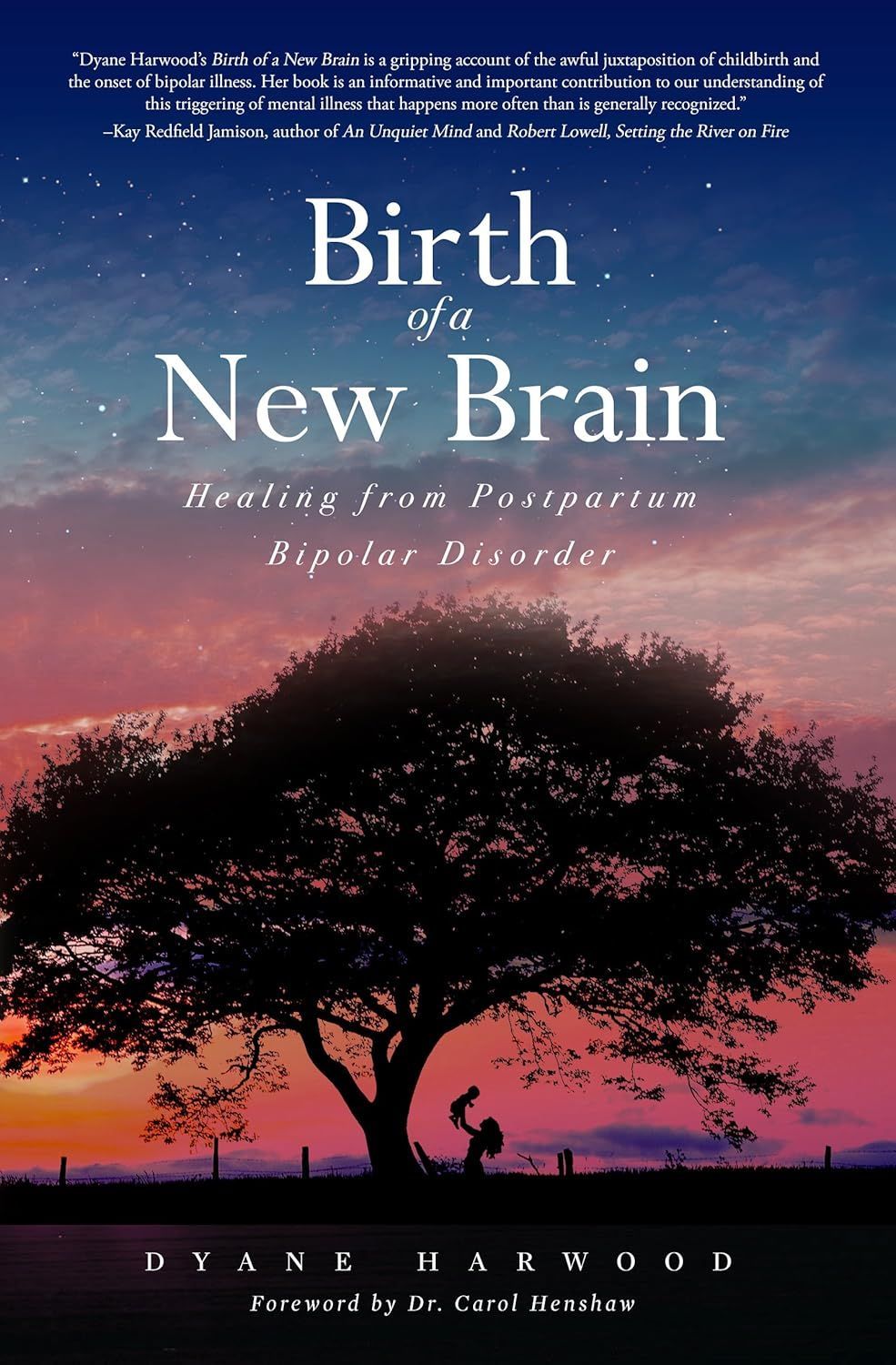
by Dyane Harwood
After the birth of her baby triggers a manic maelstrom, Dyane Harwood struggles to survive the bewildering highs and crippling lows of her brain's turmoil. Birth of a New Brain vividly depicts her postpartum bipolar disorder, an unusual type of bipolar disorder and postpartum mood and anxiety disorder. During her childhood, Harwood grew up close to her father, a brilliant violinist in the Los Angeles Philharmonic who had bipolar disorder. She learned how bipolar disorder could ravage a family, but she never suspected that she'd become mentally ill—until her baby was born.
Read More
Harwood wondered if mental health would always be out of her reach. From medications to electroconvulsive therapy, from "redwood forest baths" to bibliotherapy, she explored both traditional and unconventional methods of recovery—in-between harrowing psychiatric hospitalizations.
Harwood reveals how she ultimately achieved a stable mood. She discovered that despite having a chronic mood disorder, a new, richer life is possible. Birth of a New Brain is the chronicle of one mother's perseverance, offering hope and grounded advice for those battling mental illness.
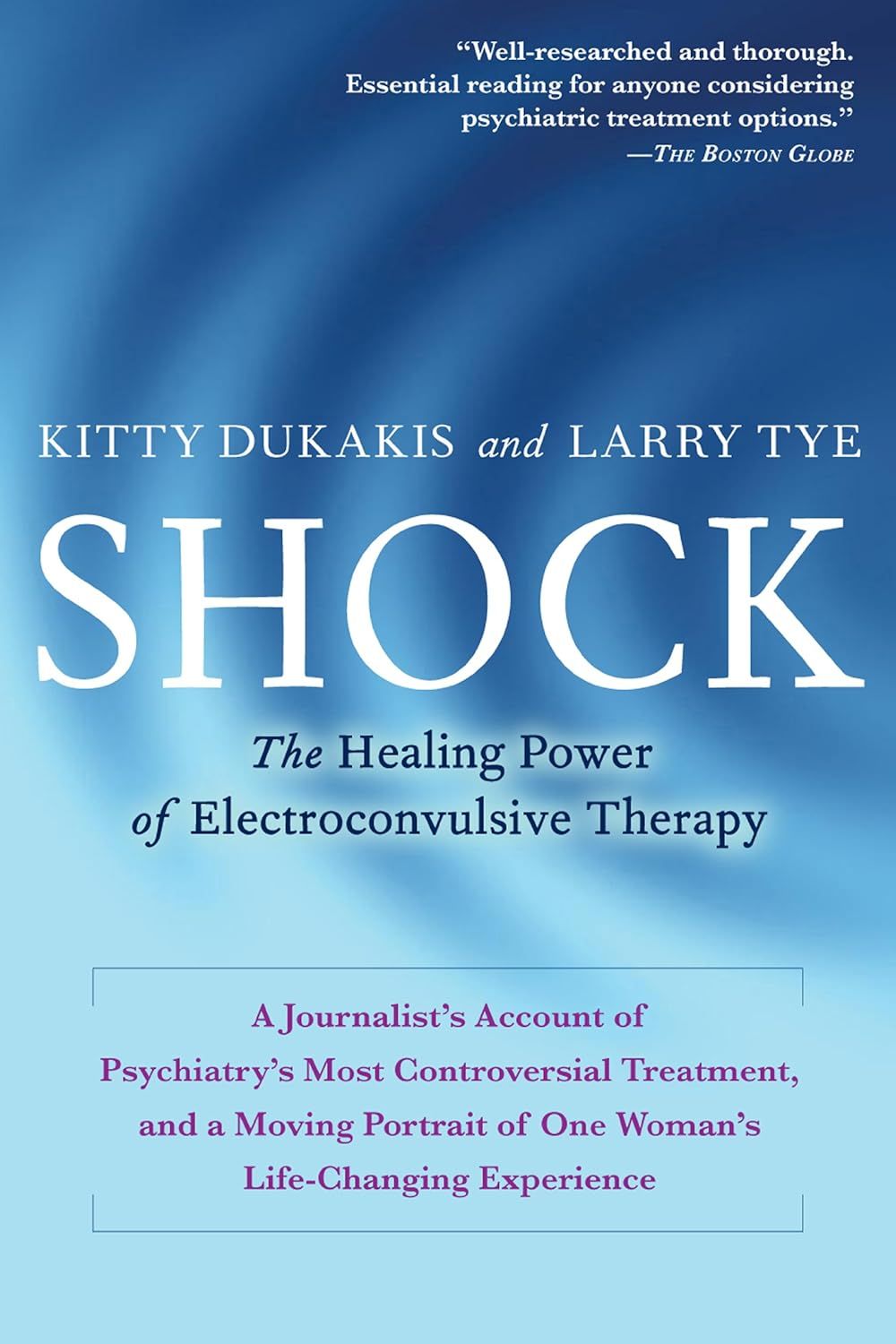
by Kitty Dukakis and Larry Ty
Kitty Dukakis battled severe depression for more than twenty years, alongside drug and alcohol addictions that both masked and intensified her suffering. Despite trying numerous medications and treatments, nothing provided lasting relief. It wasn’t until she underwent electroconvulsive therapy (ECT) that she was able to reclaim her life. Her powerful first-person account forms one half of Shock. The other half, written by award-winning medical reporter Larry Tye, explores the science behind ECT and its quiet resurgence. Together, the book offers a comprehensive look at the treatment, examining both its risks and its benefits.
Read More
ECT, it turns out, is neither a panacea nor a scourge but a serious option for treating life threatening and disabling mental diseases, like depression, bipolar disorder, and others. Through Kitty Dukakis's moving narrative, and interviews with more than one hundred other ECT patients, Shock: The Healing Power of Electroconvulsive Therapy separates scare from promise, real complications from lurid headlines. In the process Shock offers practical guidance to prospective patients and their families, boldly addressing the controversy surrounding ECT and awakening millions to its capacity to heal.
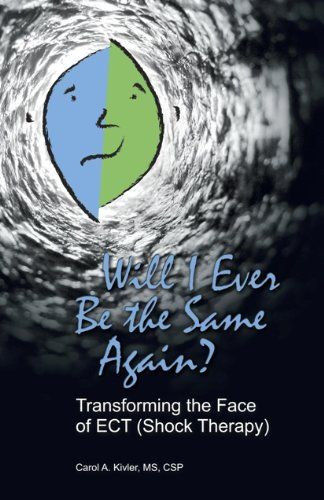
by Carol A. Kivler
Carol A. Kivler, MS, CSP, President of Kivler Communications and founder of Courageous Recovery, is a speaker, motivator, training consultant, executive coach, and author. She shares her journey of recovery from four bouts of medication-resistant depression and her positive experience with life-saving ECT (shock therapy) through speeches, workshops, books ("Will I Ever Be The Same Again"), her blog (CarolKivler.com) and the Courageous Recovery website (CourageousRecovery.com).
Read More
Her mission is to dispel the myths and stigma surrounding mental illness and to inspire hope that recovery is not only possible but likely for those who receive treatment. Her warm, down-to-earth presentations are informative and uplifting.
by Julie K. Hersh
Awarded the Mental Health America Ruth Altschuler Community Advocate Prism Award and selected as one of the 2010 Distinguished Women by Northwood University, Julie Hersh is an outspoken advocate for mental health. "Despite medical advances," Julie says, "too many people die by suicide because they are afraid to seek help." Julie's goal is to provide a living example that mental illness is a manageable disease. Her website www.struckbyliving.com provides updated information on speaking engagements. Her Struck by Living blog is featured on the Psychology Today website. Julie is also a guest blogger for "Say No to Stigma" for Menninger Clinic.
Read More
After earning her BBA at the University of Notre Dame, Hersh worked in high-tech product development and marketing/sales in Silicon Valley. She "retired" from a lucrative sales management position after the birth of her first child. A long-time member of the Cooper Center, Hersh ran her second marathon at age 50. Julie is a board member of Southwestern Medical Foundation, Dallas Theater Center and Dallas Museum of Art, on the advisory council for Mental Health America of Greater Dallas and active supporter of the Suicide and Crisis Center, CONTACT and other non-profit organizations. She lives with her husband and two children in Dallas. Texas.
by Martha Manning
This is the memoir of an ordinary woman—a mother, a daughter, a psychologist, a wife—who tells the tale of her spiraling descent into a severe, debilitating depression. Undercurrents pioneers a new literature about women and depression that offers a vision of action instead of victimhood, hope instead of despair.


by Andy Behrman
Electroboy is an emotionally frenzied memoir that reveals with kaleidoscopic intensity the terrifying world of manic depression. For years Andy Behrman hid his raging mania behind a larger-than-life personality. He sought a high wherever he could find one and changed jobs the way some people change outfits: filmmaker, PR agent, art dealer, stripper-whatever made him feel like a cartoon character, invincible and bright. Misdiagnosed by psychiatrists and psychotherapists for years, his condition exacted a terrible price: out-of-control euphoric highs and tornadolike rages of depression that put his life in jeopardy.
Read More
Ignoring his crescendoing illness, Behrman struggled to keep up appearances, clinging to the golden-boy image he had cultivated in his youth. But when he turned to art forgery, he found himself the subject of a scandal lapped up by the New York media, then incarcerated, then under house arrest. And for the first time the golden boy didn’t have a ready escape hatch from his unraveling life. Ingesting handfuls of antidepressants and tranquilizers and feeling his mind lose traction, he opted for the last resort: electroshock therapy.
At once hilarious and harrowing, Electroboy paints a mesmerizing portrait of a man held hostage by his in-satiable desire to consume. Along the way, it shows us the New York that never sleeps: a world of strip clubs, after-hours dives, and twenty-four-hour coffee shops, whose cheap seductions offer comfort to the city’s lonely souls. This unforgettable memoir is a unique contribution to the literature of mental illness and introduces a writer whose energy may well keep you up all night.
by Beverley Callard
Beverley Callard has been loved by millions of viewers for the last 20 years in her role as feisty Rovers Return landlady Liz McDonald on Coronation Street. But behind the scenes her roller coaster life has been even more colorful than her character's. She has suffered from crippling depression, been divorced three times, and has had to start from scratch following infidelity and bankruptcy. But every time she's been knocked down, Beverley has struggled through and steadfastly rebuilt her life. And it is that determination to cope with whatever life throws at her that has made Beverley's story one of inspiration to women everywhere. She's now ready to tell it for the first time.
Read More
From growing up in Leeds, coping with family tragedy, and marrying for the first time just after her 17th birthday, Beverley's childhood was tough at times, but she was always surrounded by the love and laughter of her family. Beverley talks candidly about the devastating impact of her three broken marriages and describes the happiness she has now found with her wonderful partner Jon. In this intimate and moving autobiography, Beverley reveals a life of extraordinary highs—the wonderful times she's had wearing the shortest skirts on the Street!—as well as devastating lows. Heartfelt, funny, and shockingly honest, Unbroken is the gripping story of a truly remarkable woman.

by Edward Shorter
Shock therapy is making a comeback today in the treatment of serious mental illness. Despite its reemergence as a safe and effective psychiatric tool, however, it continues to be shrouded by a longstanding negative public image, not least due to films such as the classic One Flew over the Cuckoo's Nest, where the inmate of a psychiatric clinic (played by Jack Nicholson) is subjected to electro-shock to curb his rebellious behavior. Beyond its vilification in popular culture, the stereotype of convulsive therapy as a dangerous and inhumane practice is fuelled by professional posturing and public misinformation.
Read More
Electroconvulsive therapy, or ECT, has in the last thirty years been considered a method of last resort in the treatment of debilitating depression, suicidal ideation, and other forms of mental illness. Yet, ironically, its effectiveness in treating these patients would suggest it as a frontline therapy, bringing relief from acute symptoms and saving lives.
In this book, Edward Shorter and David Healy trace the controversial history of ECT and other "shock" therapies. Drawing on case studies, public debates, extensive interviews, and archival research, the authors expose the myths about ECT that have proliferated over the years. By showing ECT's often life-saving results, Shorter and Healy endorse a point of view that is hotly contested in professional circles and in public debates, but for the nearly half of all clinically depressed patients who do not respond to drugs, this book brings much needed hope.
by Carrie Fisher
Carrie Fisher, the daughter of Debbie Reynolds and Eddie Fisher, became an icon when she starred as Princess Leia in the original Star Wars trilogy. Her star-studded career includes roles in numerous films such as The Blues Brothers and When Harry Met Sally. She is the author of five bestselling novels, Wishful Drinking, Surrender the Pink, Delusions of Grandma, The Best Awful, and Postcards from the Edge, which was made into a hit film starring Shirley MacLaine and Meryl Streep. Fisher's experience with addiction and mental illness--and her willingness to speak honestly about them--have made her a sought-after speaker and respected advocate.


by Sana Johnson-Quijada
Few medical specialties gather as many opinions as psychiatry. And few medical treatments within psychiatry draw so many frothing opinions as electroconvulsive therapy, or ECT. But is there truth to the stigmas? Dr. Sana Johnson-Quijada pulls back the curtain to explore the realities of ECT: what it is, how it works, and why it is a valid treatment option for people who are suffering.
by Kara Zivin
Persevered is a raw and honest account of one mother’s experience with depression and anxiety during and after pregnancy. Through journal entries, medical records, research, and personal reflection, Zivin brings readers into the often-hidden realities of maternal mental health. Her story offers comfort, validation, and hope for mothers, families, and anyone who believes in the power of speaking openly about mental health.

Websites for Patients
Marie Sykes
General Medicine
Arthur Marx
General Medicine
Cristine Sierra
Pediatrician
Get Involved with ISEN Today
Join a global medical community advancing ethical, evidence-based ECT and neurostimulation. Support education, research, and improved patient care worldwide.